
Doha Metro Extension Project: New Routes, Future Plans, and Impact on Real Estate
A major shift is underway in Qatar’s capital, with the Doha Metro Extension Project set to have around 100 stations and four lines by 2026. It’s not just about trains; it’s about how the city moves, grows and lives.
In this blog, we’ll take a closer look at how the Doha Metro network works today, what the new extensions (including the much-anticipated Blue Line) will bring, and how all this movement is sparking new momentum in Doha’s real estate market.
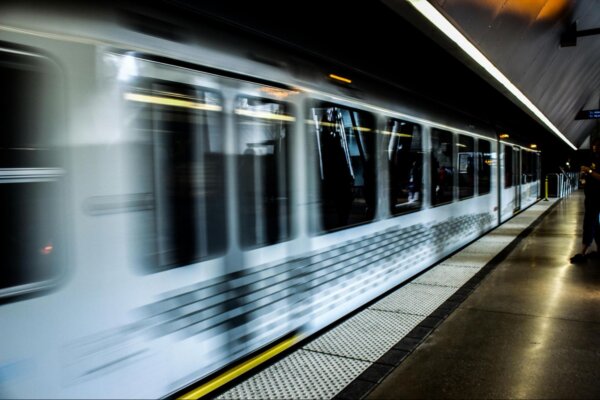
Current Metro Network and Major Routes
Let’s start with what’s already up and running in the current Qatar metro network.
The Doha Metro is already one of the most advanced public transportation systems in the Middle East. Its current network consists of three operational lines:
- Red Line (Coastal Line): Runs roughly 40 km and has 18 stations. It connects northern destinations like Lusail City, passes through the city centre, including the interchange at Msheireb, and extends south to Al Wakra, passing by Hamad International Airport (HIA).
- Green Line: About 22 km with 11 stops serving from the Al Riffa area across to the central parts like Al Mansoura and Msheireb. It also connects critical zones such as Education City.
- Gold Line: A much shorter line of about 14 km, with 11 stations, running east-west from places like Ras Bu Aboud to Al Aziziyah. It passes through historical, cultural and residential districts, including the national museum area, and connects at Msheireb.
H3: Msheireb Central Station
At the heart of the network sits Msheireb Central Station — the interchange connecting all three lines.
Designed to handle high passenger volumes, it’s also integrated with shops, cafes, and pedestrian-friendly walkways. It represents how transport infrastructure can double as a fun gathering space.
Ongoing Extensions and Future Plans
Doha Metro’s second phase is now underway, promising to take the network to new heights. The highlight of this phase is the Blue Line, which will become the fourth major metro line and interconnect several new districts that have emerged as Doha expands.
Once finalised, the total network length is expected to reach around 93 kilometres, with a long-term goal of nearly 300 kilometres across all four lines by next year. This growth aligns with Qatar’s vision to create a highly integrated and sustainable urban transport system.
The extension will also include dozens of new stations, many of them underground in the city centre, to reduce surface congestion. The focus is on improving access in densely populated zones, new residential developments, and upcoming business districts.
Integration with Other Transport Modes
The future of the Doha Metro isn’t limited to trains. The extension plans emphasise seamless integration with the Lusail Tram, public buses, and potential new mobility solutions such as water taxis.
The goal is to ensure smooth last-mile connectivity, making the travel from the station to your final destination a breeze.
Expected Completion Timeline
Phase Two, which includes the Blue Line and additional station expansions, is targeted for completion between 2025 and 2026.
The long-term plan aims for full integration and operational readiness by 2026; however, minor extensions may continue beyond that date as part of Qatar’s broader transportation strategy.
Architecture and Urban Experience
Doha’s metro stations are more than just transit points; they are architectural landmarks. The design of each station merges tradition and innovation, drawing inspiration from Qatar’s heritage.
Each station in the Doha metro system reflects a blend of modern engineering and Qatari identity. The interiors feature curved “vaulted” spaces inspired by Bedouin tents, while the exteriors maintain sleek, futuristic aesthetics. Air-conditioned platforms, clear signage, and digital ticketing make commuting simple and efficient.
Doha Metro Extension Project Impact on Real Estate Market
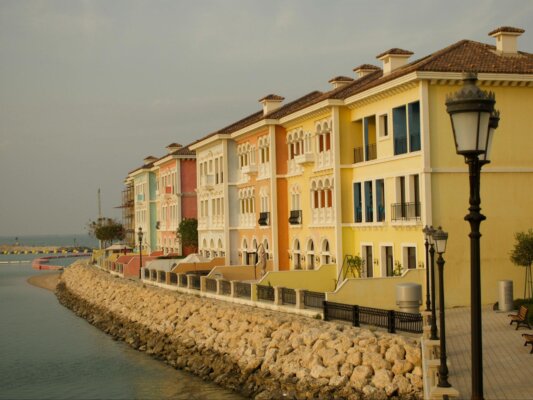
Residential properties in Doha affected by the Metro Extension Project
One of the most significant effects of the Doha Metro Extension Project can be seen in the real estate market. As the metro network expands, accessibility becomes a key factor influencing property values, rental trends, and investment strategies.
Rise in Demand
Neighbourhoods with direct metro access are already experiencing higher occupancy rates and increasing rents.
For many tenants, especially young professionals and families, proximity to a metro station is now a top priority. Easy commuting, quick access to schools and workplaces, and lower transportation costs all make metro-connected areas a lot more desirable.
The neighbourhoods with direct access to the metro include, but are not limited to:
- Lusail
- Msheireb Downtown
- West Bay
- Education City
Lusail stands as one of the best examples of how metro connectivity can boost real estate development. As a planned smart city, Lusail was designed with the metro in mind from the start.
The Red Line connects it directly to central Doha and Hamad International Airport, making it highly accessible. Property prices in Lusail have steadily risen as more residents and investors see its potential as a connected, modern urban hub.
Another great example is Msheireb Downtown. As the central interchange of the entire metro network, it’s both a transport hub and a thriving mixed-use district.
The combination of walkability, sustainability, and connectivity has made it one of Doha’s most premium locations for both commercial and residential investments.
Investment Opportunities
With a rise in demand, of course, there is a rise in investment opportunities.
Properties for rent in Doha near metro stations tend to offer strong rental yields and long-term appreciation potential. This has reshaped investment strategies, with many buyers targeting areas along current or planned metro lines.
On the other hand, areas without metro connectivity face growing competition. Landlords in such neighbourhoods may need to enhance property amenities or adjust pricing to attract tenants who now have more convenient alternatives elsewhere.
Key Takeaways
The Doha Metro Extension Project is a cornerstone of Qatar’s long-term urban development vision. With the expansion of routes, new stations, and the upcoming Blue Line, the city is building a metro network that supports its long-term vision for sustainable growth and modern living.
The Red, Green, and Gold lines are already operational, serving major districts such as Lusail, Msheireb, and West Bay. The Blue Line, under development, will link emerging neighbourhoods and fill remaining gaps in the network.
FAQs
- When will the new Blue Line (Phase Two) of the Doha Metro be completed?
According to current plans, the Blue Line and related phase two expansions are targeted for completion between 2025 and 2026.
- Which Doha Metro stations are most important for commuters?
Msheireb Central Station is the main interchange for all lines, while Lusail and Hamad International Airport are key termini. Stations in West Bay and Corniche also serve major business and leisure districts.
- What makes Doha Metro stations stand out?
The stations feature architectural designs inspired by local culture, with “vaulted spaces” intended to reflect Qatari heritage and enhance the urban pedestrian experience.
- How is the metro affecting real estate prices in Doha?
Areas with direct metro access (e.g., Lusail, Msheireb) are experiencing increased demand and rising rents. However, the impact on property values is complex and can vary depending on local context, construction phase, and broader market trends.
- How can landlords in areas without metro access compete?
To stay competitive, landlords may need to offer upgraded amenities, competitive pricing, or unique value propositions to attract tenants who prioritise connectivity.