
If you are exploring Doha and want to experience a side of the city richer in culture, character, and local tradition than the modern shopping centers and polished boulevards, the Irani Market in Doha offers a unique journey into Qatar’s trading heritage.
Located within the historic Souq Waqif, this market is a vibrant cultural hub where Qatari and Iranian influences converge. It is one of the few places where you can walk through narrow alleyways, smell freshly ground spices, admire handcrafted textiles, sip traditional tea, and engage in friendly bargaining, all within a warm and authentic atmosphere.
Overview of Irani Market Doha
Irani Market Doha forms a distinctive part of Souq Waqif, one of Qatar’s oldest marketplace areas and a hub of trade long before Doha became a global city. Historically, merchants from Iran arrived by sea across the Gulf, bringing goods such as carpets, spices, ceramics, and textiles.
Over time, a dedicated district within the souq grew to accommodate these traders, forming what is now known as the Irani Market.
Souq Waqif itself has undergone restoration, but the Irani Market maintains its heritage. The architecture reflects a traditional Arabian market style, characterized by clay-colored walls, wooden beams, narrow walkways, and shaded alleys.
The market offers a slower pace than modern malls, encouraging browsing, conversation, and sensory exploration. Many visitors describe it as one of the most atmospheric and genuine experiences in Doha.
Opening hours at Irani Market Doha
Irani Market Doha generally operates throughout the day, though activity varies depending on the time. The most active hours are typically from late afternoon to night.
Most shops open around 10:00 AM and continue operating until late evening, often close to midnight. Evenings are especially lively due to cooler temperatures and social gatherings.
Restaurants and cafés within Souq Waqif often remain open around the clock, especially on weekends and during cooler seasons.
What to buy at Irani Market Doha
The Irani Market in Doha is known for its extensive selection of products, ranging from food items to home décor. The items are often sourced from Iran, Turkey, Afghanistan, and neighbouring countries, offering a blend of cultural craftsmanship and traditional trade.
Spices and culinary essentials
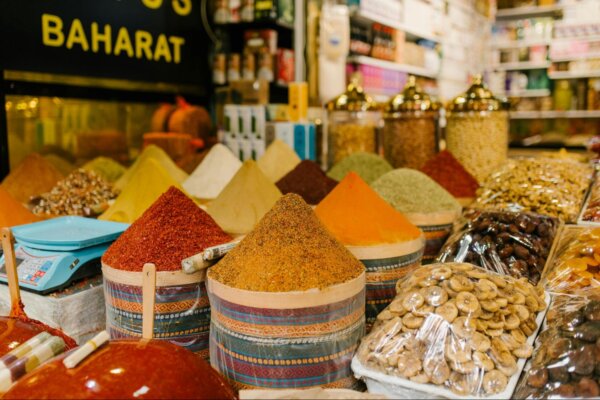
One of the main reasons many people visit the Irani Market is to buy spices and dried goods. The aroma is usually the first thing you notice before you even see the stalls. These spices are sold in open sacks and glass jars, allowing shoppers to smell and inspect the products before making a purchase.
Everyday items sold include:
- Saffron
- Cardamom
- Sumac
- Dried mint and mixed herbs
- Black tea and Persian tea blends
- Rosewater and pomegranate molasses
- Dried fruits and nuts such as pistachios, almonds, walnuts, pumpkin seeds, and sunflower seeds
Many visitors find that spices purchased at the Irani Market are more affordable and aromatic than pre-packaged versions from supermarkets. The market provides an opportunity to speak directly with the vendors, who often explain how to use each spice in cooking and brewing tea.
Textiles and handcrafted goods
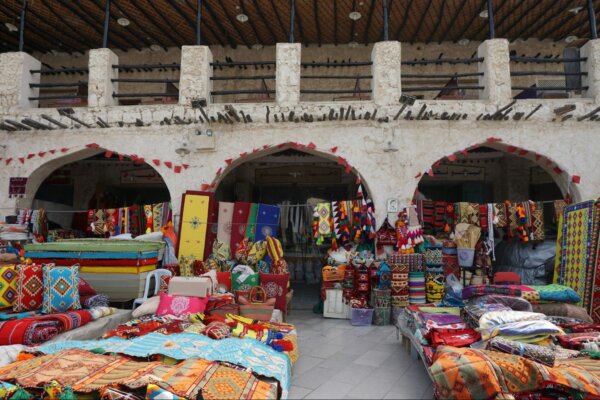
Textiles are one of the most culturally significant items sold in the Doha Irani Market. The craftsmanship behind Persian and regional textiles is highly valued, and many pieces are handmade.
Items commonly available include:
- Persian carpets and area rugs
- Kilims and woven mats
- Shawls and embroidered tablecloths
- Decorative cushion covers
- Hand-painted ceramics and pottery
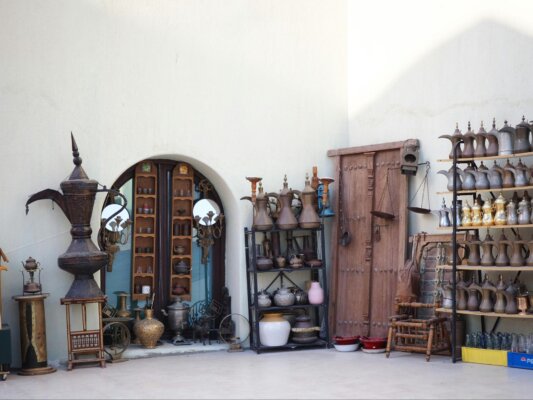
- Brass and copper household items
These pieces often carry traditional patterns and colours, making them suitable for home decoration or as meaningful gifts. Stall owners typically share information about weaving techniques and origins, offering insight into the cultural artistry behind these traditions.
Perfumes, itra, and traditional oils
Perfume culture is deeply rooted in Gulf and Iranian traditions. Small perfume shops in Irani Market, Doha display shelves of:
- Itra oils (highly concentrated natural scents)
- Customised fragrance blends
- Oud wood and incense
- Bakhoor burners
These fragrances tend to be warm, rich, and culturally significant. Shoppers often enjoy testing scents and creating personalised combinations, which is part of the experience.
Souvenirs and decorative items
If you are searching for meaningful souvenirs rather than mass-produced gifts, the market provides many handmade options. Every day souvenir items include:
- Mini carpets
- Mosaic lamps and lanterns
- Carved wooden boxes
- Small ceramic bowls
- Metal-tray wall décor
The pet market
A notable feature of the Irani Market is the pet section, which is especially popular among families with children. In this area, vendors sell birds, rabbits, and small pets, along with cages and various pet accessories. Even if you do not intend to buy, many visitors enjoy exploring this lively corner due to its energy and activity.
Local shopping tips
Visiting the Doha Irani Market is not only about buying items but also about experiencing the local way of shopping. Understanding how bargaining works, choosing the right time to visit, and respecting cultural etiquette can help make your visit more enjoyable and memorable.
- Bargaining and payments: Bargaining is expected, especially for carpets and textiles. Offer a lower price than the first one and meet in the middle politely. Carry cash, as many small stalls do not accept cards.
- Timing your visit: Mornings are quieter for exploring the market, while evenings are livelier and cooler, especially in the summer. If you plan to buy many items, consider hiring a hammal (porter) to carry your bags.
- Cultural etiquette: Dress modestly and greet shopkeepers politely. Ask before taking photos of people. Maintain a friendly and respectful tone when bargaining; it is an expected part of market culture.
Nearby attractions near Doha Irani Market
Irani Market Doha is located within Souq Waqif, making it easy to explore local dining and cultural experiences after shopping. Parisa Restaurant is a renowned Persian restaurant, famous for its elaborate décor and traditional cuisine.
Outdoor cafés are a typical feature, offering Arabic coffee, tea, and fresh juices. Cultural performances, festivals, and seasonal events also take place in the wider Souq Waqif area, particularly during the winter months.
The Doha Corniche is nearby, offering a scenic waterfront walk that is particularly popular in the evenings. Many visitors combine the market with a late walk along the sea or a visit to nearby museums.
Key takeaways
Irani Market Doha is far more than a collection of shops; it is a cultural encounter rooted in history and tradition. It provides the opportunity to experience a more intimate and authentic side of Doha where the daily rhythm of trade, conversation, and hospitality has remained central for generations.
The market is best enjoyed at a leisurely pace, allowing time to inspect spices, admire handcrafted goods, and engage with vendors. Visiting in the evening enhances the atmosphere, offering cooler temperatures and vibrant social activity.
Bargaining forms an enjoyable part of the experience, while carrying cash makes purchases easier. Whether shopping for souvenirs or seeking a deeper understanding of Qatari and Iranian heritage, the market offers a memorable and meaningful outing.
FAQs
What is Irani Market Doha best known for?
It is best known for traditional spices, dried goods, Persian carpets, handicrafts, and locally blended perfumes.
What are the opening hours for Irani Market?
Shops typically open from 10:00 AM to late evening. Cafés in the souq may remain open later, especially during weekends.
Is bargaining acceptable at Doha Irani Market?
Yes, bargaining is expected and part of the cultural shopping experience.
Is the market suitable for families?
Yes, families often visit, mainly due to the small pet market, which many children enjoy.
What payment methods are accepted?
Cash is preferred. Some larger shops may accept cards, but it’s safest to carry Qatari riyals.